
Keeping Your Garden Healthy: Pest Control Tips
Welcome to our guide on maintaining a healthy garden by effectively managing pests. A beautiful garden requires care and attention to ensure that plants thrive and pests are kept at bay. Here are some essential tips to help you protect your garden from common pests and diseases.
1. Choose Resilient Plants
Start by selecting plants that are known to be resistant to common pests in your area. Research and choose varieties that are less susceptible to infestations, reducing the need for extensive pest control measures.
2. Regular Inspection
Inspect your garden regularly for any signs of pest damage such as holes in leaves, chewed stems, or discolored patches. Early detection allows for prompt action and prevents pests from causing extensive harm.
3. Natural Predators
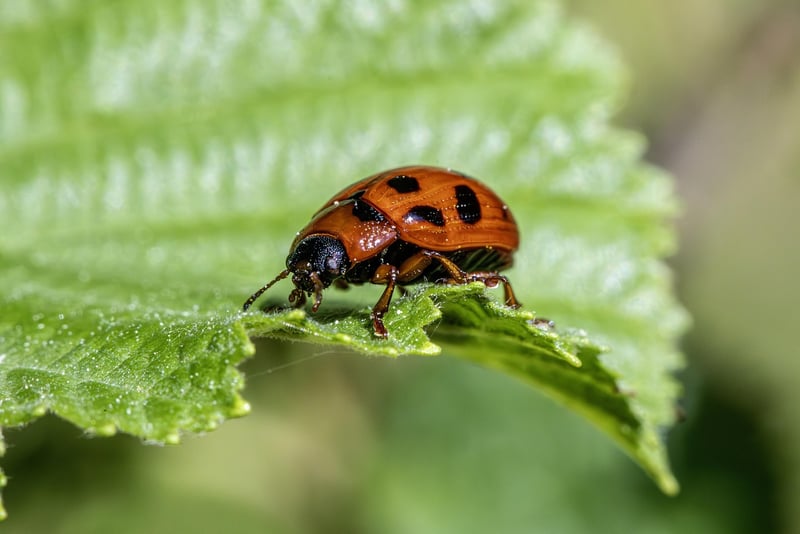
Encourage natural predators like ladybugs, lacewings, and birds into your garden. These beneficial organisms feed on common pests, helping to keep their populations in check without the need for chemical interventions.
4. Companion Planting
Utilize companion planting techniques by growing complementary plants together. Some plants naturally repel pests or attract beneficial insects, creating a more balanced and pest-resistant garden ecosystem.
5. Organic Remedies
Opt for organic pest control methods such as neem oil, garlic spray, or diatomaceous earth. These natural remedies are effective against a wide range of pests while minimizing harm to beneficial insects and the environment.
6. Mulching
Apply mulch around your plants to suppress weed growth and maintain soil moisture. Mulch acts as a barrier, deterring pests like slugs and snails from reaching your plants while also improving soil health.
7. Proper Watering and Feeding
Ensure your plants receive adequate water and nutrients to keep them healthy and resilient against pest attacks. Avoid overwatering, as this can create conditions favorable for certain pests to thrive.
8. Crop Rotation
Practice crop rotation to prevent the buildup of pest populations in the soil. Rotating crops each season helps disrupt pest life cycles and reduces the risk of infestations in your garden.
By following these pest control tips and maintaining a vigilant approach to garden care, you can create a thriving and pest-resistant garden environment. Remember that a healthy garden is a result of balanced ecosystem management and thoughtful gardening practices.
Happy gardening!
For more information on pest control in gardens, you can visit Royal Horticultural Society - Pest Control.